

Leaning or bowing walls
Movement can point to toe scour, anchor problems or added loads behind the wall.
The national guide to waterfront walls
The national resource for understanding, maintaining, repairing, and replacing waterfront bulkheads and seawalls. Explore trusted guidance, compare solutions, and connect with experienced marine contractors.
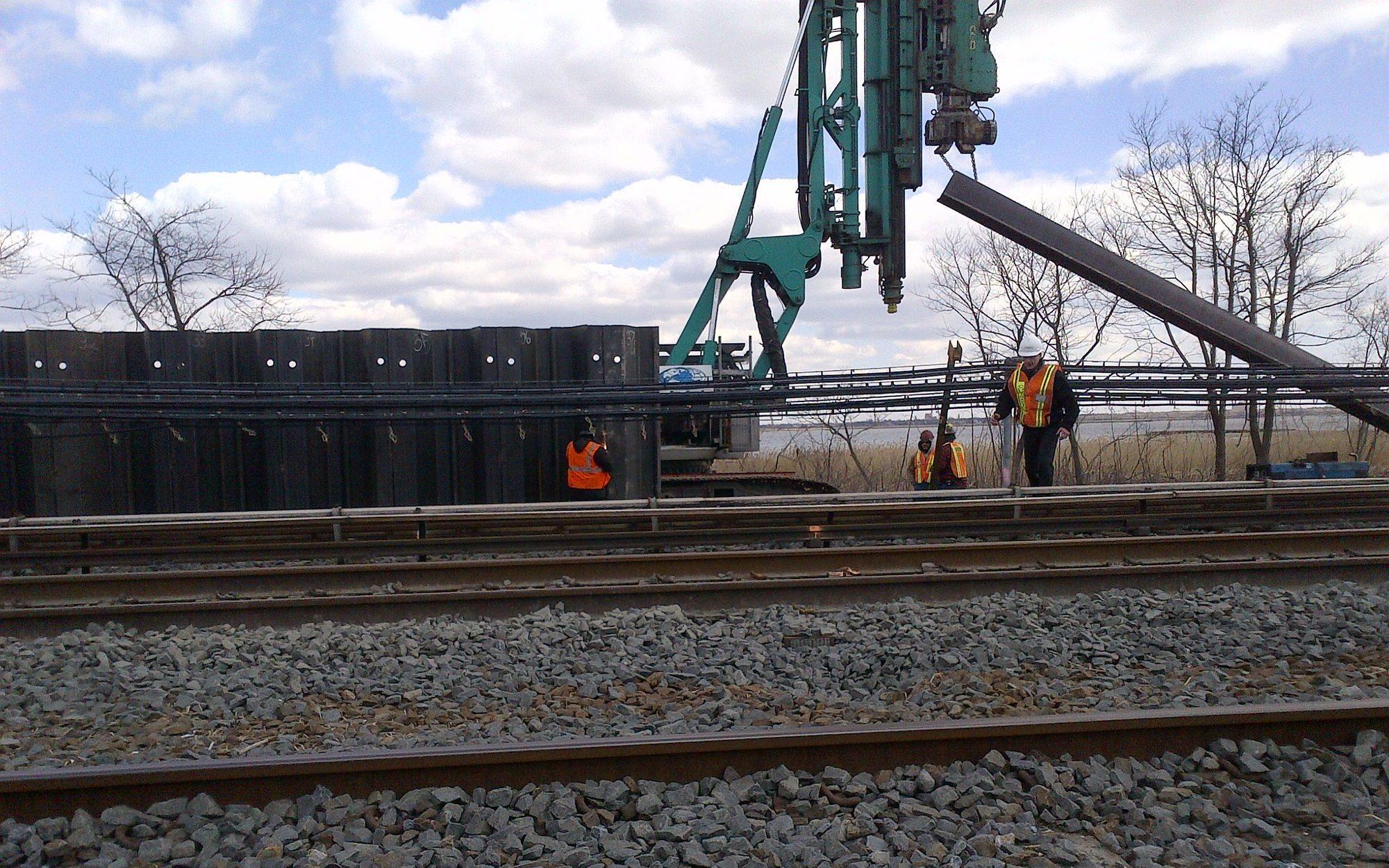
Background photo: Gary J. Wood, CC BY-SA 2.0
Learn about materials, construction, maintenance, and common issues.
Explore the Resource CenterUnderstand warning signs and prepare for a professional assessment.
Check Your BulkheadExplore costs, permits, materials, and contractor selection.
Plan My Waterfront ProjectCommon bulkhead problems
Movement can point to toe scour, anchor problems or added loads behind the wall.
Hairline cracks are common; wide cracks, rust stains and spalling deserve a closer look.
Settling behind a wall usually means backfill is escaping through joints, cracks or under the toe.
Corroded tie rods or disturbed anchors can let a wall rotate toward the water.
Clogged weeps and open joints trap water and let soil wash out over time.
Steel rusts, hardware corrodes and wood rots or is attacked by marine borers.
Material comparison
Benefits: High stiffness and abrasion resistance Not vulnerable to rot or marine borers
Limitations: Reinforcement corrodes once chlorides reach it, causing cracking and spalling Heavy; can settle in soft foundation soils
Typical use: Exposed coasts that need massive seawalls, high-abrasion sites and walls carrying heavy loads, where foundation soils can support the weight.
Full concrete guideBenefits: Does not corrode, rot or host marine borers Light weight eases handling and site access
Limitations: Low stiffness; deflection usually controls design Creeps under sustained load
Typical use: Sheltered residential and light commercial shorelines with moderate wall heights, drivable soils, room for anchors and little vessel, ice or debris impact.
Full vinyl (pvc) guideBenefits: Does not rust, rot or host marine borers Manufacturer literature reports better drivability and less deflection than PVC
Limitations: Properties vary by product; designs are not interchangeable No yield point; local buckling and deflection often govern
Typical use: Corrosive or borer-prone waters where more stiffness than vinyl is wanted, on sites with drivable soils and without severe ice abrasion.
Full composite (frp) guideBenefits: High strength, stiffness and impact resistance Drives into hard, dense soils and soft rock
Limitations: Corrodes in salt water, especially in splash and low-water zones Needs coatings, extra thickness or cathodic protection
Typical use: Taller walls, commercial and port frontage, hard or obstructed soils, and sites exposed to vessel, ice or debris impact.
Full steel guideBenefits: Long track record and familiar construction Described by USACE as economical for marine use
Limitations: Vulnerable to marine borers and decay without proper treatment Fasteners and hardware corrode
Typical use: Sheltered shorelines with moderate wall heights, especially in waters with lower borer pressure where suitably treated material is available.
Full timber guideBenefits: Light weight and ease of installation Good strength-to-weight ratio
Limitations: Galvanic corrosion when in contact with carbon steel or copper Corrosive conditions include acidic chloride waters and clay-organic soils
Typical use: Low, anchored walls with free-draining granular embedment, as suggested in older USACE guidance, with careful attention to alloy, hardware and water chemistry.
Full aluminum guideFinal suitability of any material depends on site conditions, soils, wave and impact exposure, local regulations and professional engineering design. Also see riprap and living shorelines.
National coverage
Regional guides are published only where we have genuinely local information. Contractor referrals are offered only where an approved relationship exists — and we label which is which.
Northeast Florida: contractor referral available.
Permit research checklists are also available for Alabama, California, Georgia, Illinois, Louisiana, Maryland, Michigan, Ohio, South Carolina, Virginia, Washington, Wisconsin. Open the Permit Navigator
Explore All LocationsResource center
How waterfront bulkheads work, what they are made of, how long they last, how they fail, and how to plan inspections, repairs, permits and replacement.
Read the guide 9 min readHow engineers distinguish bulkheads, seawalls and revetments, why homeowners often use the terms interchangeably, and why the difference still matters.
Read the guide 5 min readA decision framework for bulkhead repair or replacement: condition, extent, age, material, structural issues, repeat repair costs and permit implications.
Read the guide 5 min readConcrete vs. vinyl bulkheads compared on durability, corrosion, strength, installation, maintenance and cost, with the site conditions that favor each.
Read the guide 5 min readWhat published agency and research sources say bulkheads cost, why the ranges are so wide, what a full budget includes, and how to turn ranges into real bids.
Read the guide 5 min readHow to hire a marine contractor for bulkhead or seawall work: verifying licenses, insurance and references, permits, written contracts, payments and red flags.
Read the guide 5 min readContractor connection
Trust & transparency
Articles cite public agencies, universities and technical publications, and show when they were last reviewed.
Editorial standardsWe explain and organize. Structural judgments belong to licensed professionals on site.
About Bulkhead WallsContractors are approved by staff after license and insurance checks — never by filling out a form.
Verification criteriaWe tell you when we have a business relationship with a contractor we may refer you to.
Referral disclosureTwo minutes with the Health Check gives you an organized picture of your wall — and the right questions for whoever you call next.